Negative Gearing Changes and First Home Buyers


Well it's official. The long awaited Negative Gearing reform is here. We've been talking about it for so long, something has happened.
However, the rich investors sitting on their multi-million dollar portfolios aren't worried about it.
So what's changing?
To summarize it in a couple of sentences - Any established property purchase from today onwards will not be eligible for the negative gearing strategy from July 2027. Investment properties bought before the budget night can still continue to be negatively geared (i.e. property investors who already own assets).
Read more about it here:
 Patrick Commins
Isn't that a good thing if negative gearing is scrapped?
It seems like it is, but it really isn't.
Most investors at some point have taken advantage of negative gearing. While negative gearing is not a priority for many sophisticated investors, it is a nice little bonus.
Is there a catch?
Negative Gearing can still be accessed on new builds. However, if you purchase an established home (i.e. already constructed) then you do not get access to negative gearing.
Allowing Negative Gearing on new builds incentivizes investors to purchase and construct new homes (which is a positive) and ultimately help with housing supply. Increasing supply is one of the best ways to fix the housing crisis we are currently in.
So what's the Problem?
Well, allowing negative gearing on new builds has its own issues when it comes to helping younger generations purchase a home.
In some cases, new builds are actually cheaper than purchasing an established homes. Established homes tend to have larger lands which is why they're expensive (especially in parts of Sydney). Because new builds are cheaper, younger generations opt for this option to get into the property market.
The main problem is the increased competition from now on. As new builds have been incentivized, we are now in a scenario where 3 types of people will be going after the same pool of properties:
- Foreign Investors
- Local Property Investors
- First Home Buyers
Foreign Investors
During the previous federal election, there was a temporary ban placed on foreign investors buying established properties. New builds were conveniently left out.
 Emma Partis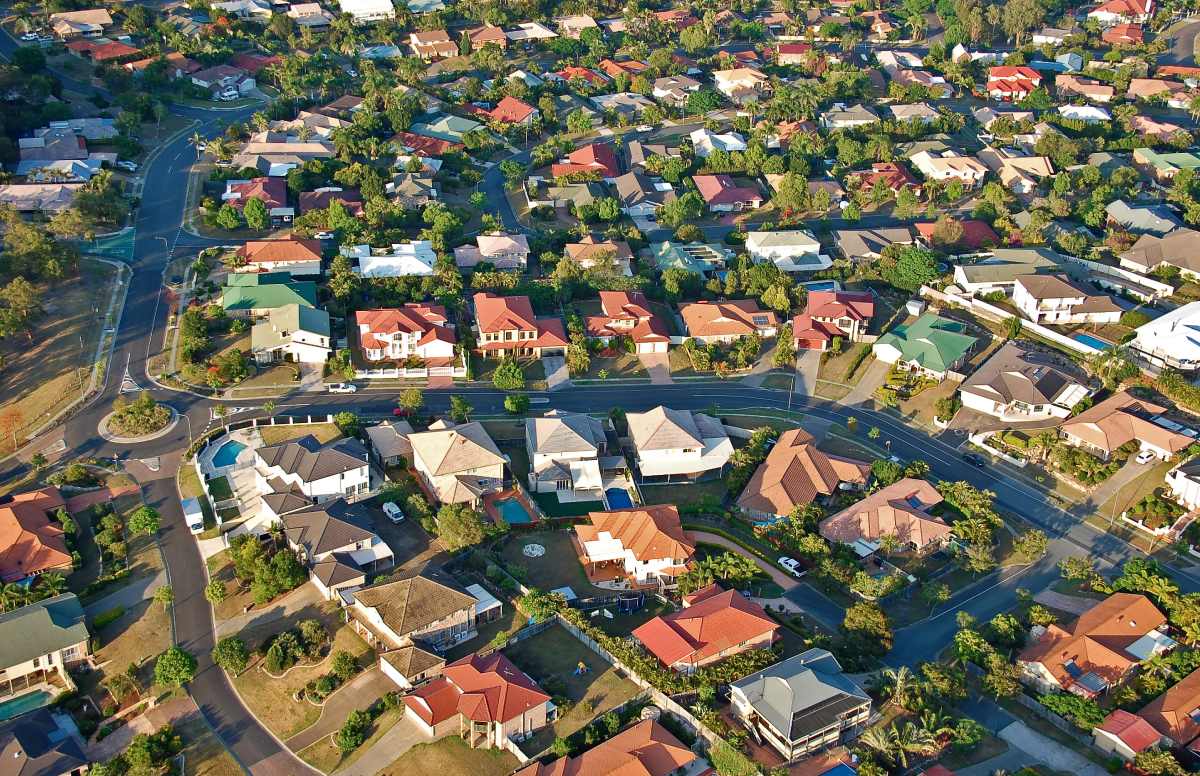
So we will now have foreign investors buying the new builds because that's what the government allows.
Local Property Investors
Well, if negative gearing is incentivized and property investors save so much money on stamp duty (as stamp duty is only applied to the land price and not construction cost) - why wouldn't they purchase new builds?
First Home Buyers
First home buyers often purchase new builds or off-the-plan properties as they get significant discounts from builders/developers. Also, in many areas of our capital cities (especially Sydney) first home buyers are already priced out from the established suburbs.
Not because they don't work hard, but most of them don't have the capacity to purchase a $2 million property. Even if they did, with negative gearing scrapped, why purchase something in Sydney with a $2 million price tag to lose money.
Final thoughts
So if we have 3 types of people going after 1 property, who's the real loser as a result of this budget?
We have to empathize with the first home buyers as previous generations got a whole lot of concessions and now the government has scrapped these concessions making it harder for younger people from getting ahead and creating financial security for their future.
Taking such steps during a housing crisis is a real problem. The most affective way to help younger generation is to increase housing supply, decrease immigration levels.
Simple rule of economics; doesn't matter where you are in the world. If the supply doesn't match the demand levels, prices increase. It's true with oil, it's true with groceries, it's also true with properties.