Transport Infrastructure

Wouldn't it be great to know the exact postcodes that will grow more than the average property market right after your purchase?
This is something you need to research and it does take sometime to do. There are various factors you can look out for while doing your research. In this post I will talk about the effect of Transport Infrastructure on property prices.
Background
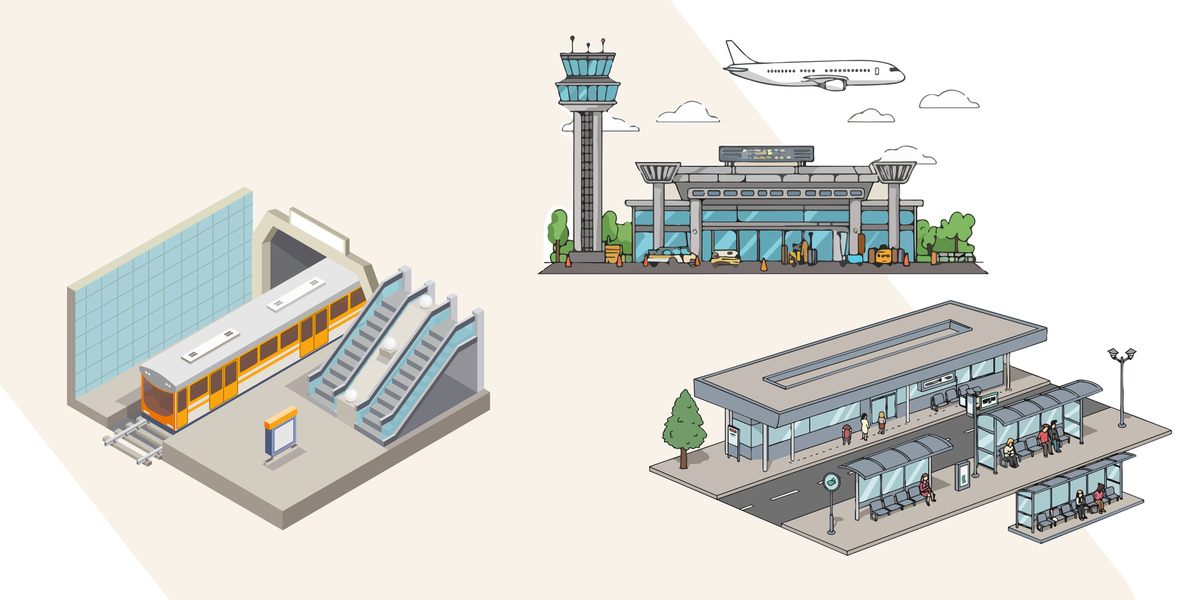
Governments are constantly announcing various projects in cities and regional areas. These projects can include road upgrades, new railway lines, tunnels, bridges or even industrial developments which increase job nodes and assist in population growth.
Depending on where you live, you may have noticed these projects over the years. Personally, I have been in the transport industry for over 10 years working as an engineer. I have worked on multiple projects in Sydney and Melbourne which have assisted the increase of property prices.
A new railway line or a motorway often reduce commute time to CBD. This usually attracts people to move into the areas benefiting from these projects. When these projects get announced, you may notice that developers and builders often start releasing land for sale to build houses. The sales strategy remains the same - "the government has announced this project which will reduce commute time to the CBD in a couple of years" or "the motorway is only 5 minutes away from this piece of land which will give you easier access to the certain areas".
Timing your property purchase
Projects like this are highly political in nature. An election can change or delay the plans of the project. Before the construction commences, there needs to be design completed for it. Consultants will spend some time completing the design and determining the overall layout of the project. For a railway project, this can include things such as planning the exact route, station locations, general infrastructure requirements etc. Similar process will be carried for any project such as a motorway.
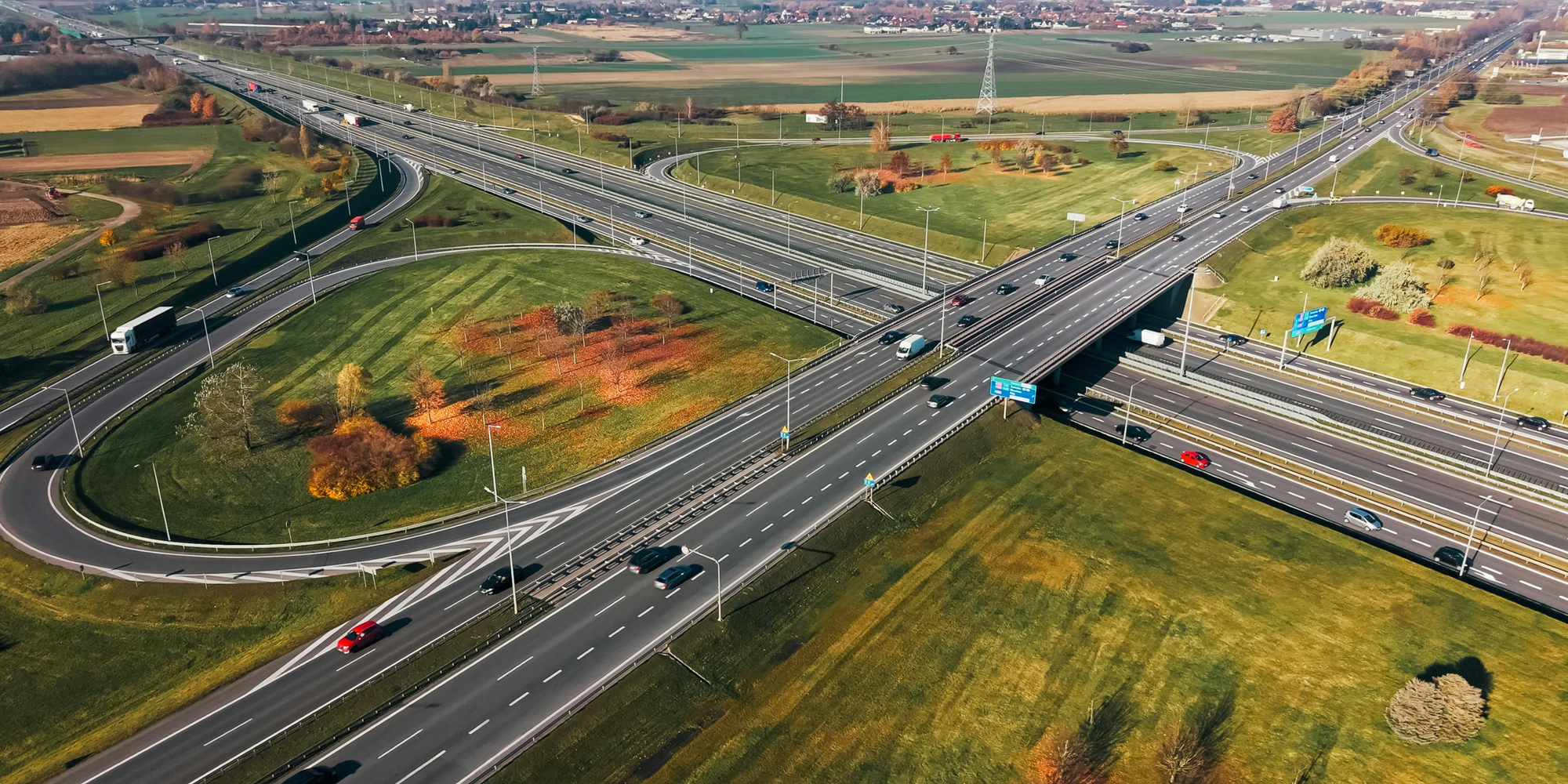
In terms of timing, we can break these projects into three stages:
- First stage is when there is an announcement of projects (but this doesn't guarantee that they will go ahead due to the political nature of these projects).
- Second stage can be when the construction commences.
- The final stage would be when the project is near completion or has been completed which attracts even more people to move to these areas.
The timing of the purchase depends on your risk appetite.
If you invest in a property during the initial stage of the project when it is announced, your returns can potentially be higher. However, the risk is that the project plans might change, get delayed or even get cancelled.
Investing in the second stage might be the most ideal. When the construction begins, it is likely that the exact project plans are confirmed and the infrastructure spending has started. Delays may still happen, however you can be more confident that government has committed to complete the project.
Investing in the final stage when the project is near completion or completed might be the safest option. However, your returns will be much smaller and prices could be inflated. It's an annoying feeling when you pay 10-20% more for the same property that you would have in the previous year. Also it is important to note, that when a project is completed, there might be plans from the government to develop them even further (as we have seen with the Sydney North West Metro).
When buying any investment, carry out your due diligence like you normally would. You don't have to buy a vacant land and build a house on it. You can buy an existing house, but be careful what you purchase. It wouldn't be ideal to purchase a property only to find out that the new underground tunnel runs right below your property or the new motorway is right behind it (which could get noisy in peak time hours). Always research the new projects on government websites and understand how your potential investment is situated. If you get it right, you can make plenty of money.
Checkout this earlier blog post regarding a suburb in Sydney poised for growth:
 Property Brew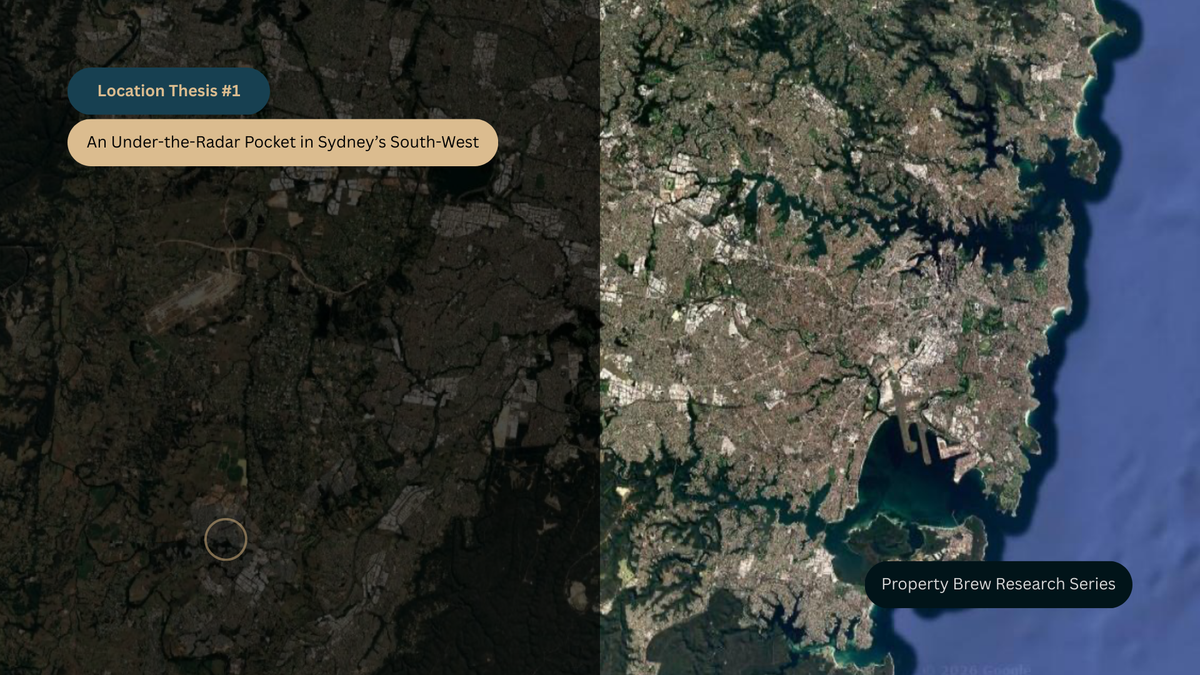
Alright, here's the disclaimer - I am not a financial advisor so this isn't professional advice. Properties are a big investment and depend on your circumstances - please seek professional advice before making your decisions. I am just some guy on the internet. You can contact me though. I'm pretty friendly.